Below is a polished, academic-style 600-word description of Flexible and Blended Learning.
(Approx. 600 words)
Flexible and blended learning represent two interrelated approaches that prioritize learner autonomy, accessibility, and the use of diverse teaching methods to improve educational outcomes. As higher education, vocational training, and professional development environments continue to evolve, institutions increasingly rely on these models to meet the needs of varied and geographically dispersed learners. Although distinct in definition, flexible and blended learning complement one another by creating learning experiences that accommodate individual circumstances while maintaining high academic standards and engaging pedagogical practices.
Flexible learning is an approach that provides learners with greater choice in how, when, and where they engage with educational content. This model recognizes that students often balance multiple responsibilities—such as employment, family commitments, and personal obligations—and therefore benefit from adaptable learning structures. Flexibility may be expressed in several ways: through adjustable timelines, multiple pathways to achieve learning outcomes, varied assessment methods, and options for synchronous or asynchronous participation. In flexible learning environments, learners can progress at their own pace, revisit materials as needed, and tailor their learning journey to align with their goals and preferences. Institutions often make use of digital learning platforms, recorded lectures, open educational resources, and modular course design to support this adaptability. Ultimately, flexible learning shifts the focus from rigid institutional scheduling to learner-centered choice, helping to broaden participation and reduce barriers to education.
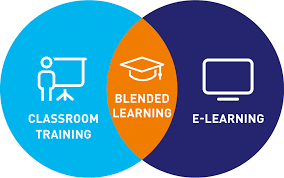
Blended learning, on the other hand, deliberately integrates face-to-face instruction with online or technology-mediated activities to create a cohesive learning experience. Rather than replacing traditional classroom interaction, blended learning enhances it by extending learning beyond physical classrooms. For example, students might engage with digital content—such as videos, simulations, discussion forums, or interactive quizzes—before or after participating in in-person workshops or seminars. This approach leverages the strengths of both online and offline learning: the immediacy and social connection of classroom engagement, alongside the flexibility, personalization, and multimedia richness of digital platforms. Blended learning also encourages active learning strategies, such as flipped classrooms, collaborative problem-solving, and project-based activities, which foster deeper understanding and encourage students to take greater responsibility for their learning.
The intersection of flexible and blended learning produces learning environments that are dynamic, inclusive, and responsive. When combined, these approaches allow institutions to design programs that support different learning styles and accommodate diverse learner needs without compromising the quality of instruction. For instance, a blended course may offer optional online modules that students can complete at their convenience, while still providing structured face-to-face sessions for discussion, clarification, and hands-on practice. Assessments may include both traditional examinations and alternative digital submissions, allowing learners to demonstrate mastery in various ways. This synergy is particularly valuable in fields requiring both theoretical understanding and applied skills, such as healthcare, engineering, and teacher education.
The benefits of flexible and blended learning extend to educators as well. These models encourage instructors to diversify their teaching methods, incorporate evidence-based digital tools, and design curricula that are more engaging and interactive. Educators gain the ability to monitor student progress through learning analytics, offer timely feedback, and adjust content in response to learner performance. At the institutional level, flexible and blended learning contribute to increased retention, broader access for nontraditional learners, and improved satisfaction among students who require adaptable learning environments.
In essence, flexible and blended learning represent a shift toward more learner-centered, inclusive, and technologically integrated education. By prioritizing choice, accessibility, and thoughtful design, these approaches equip learners with the opportunities and support they need to succeed in an increasingly complex and fast-changing world.
- Teacher: Silas Tirop